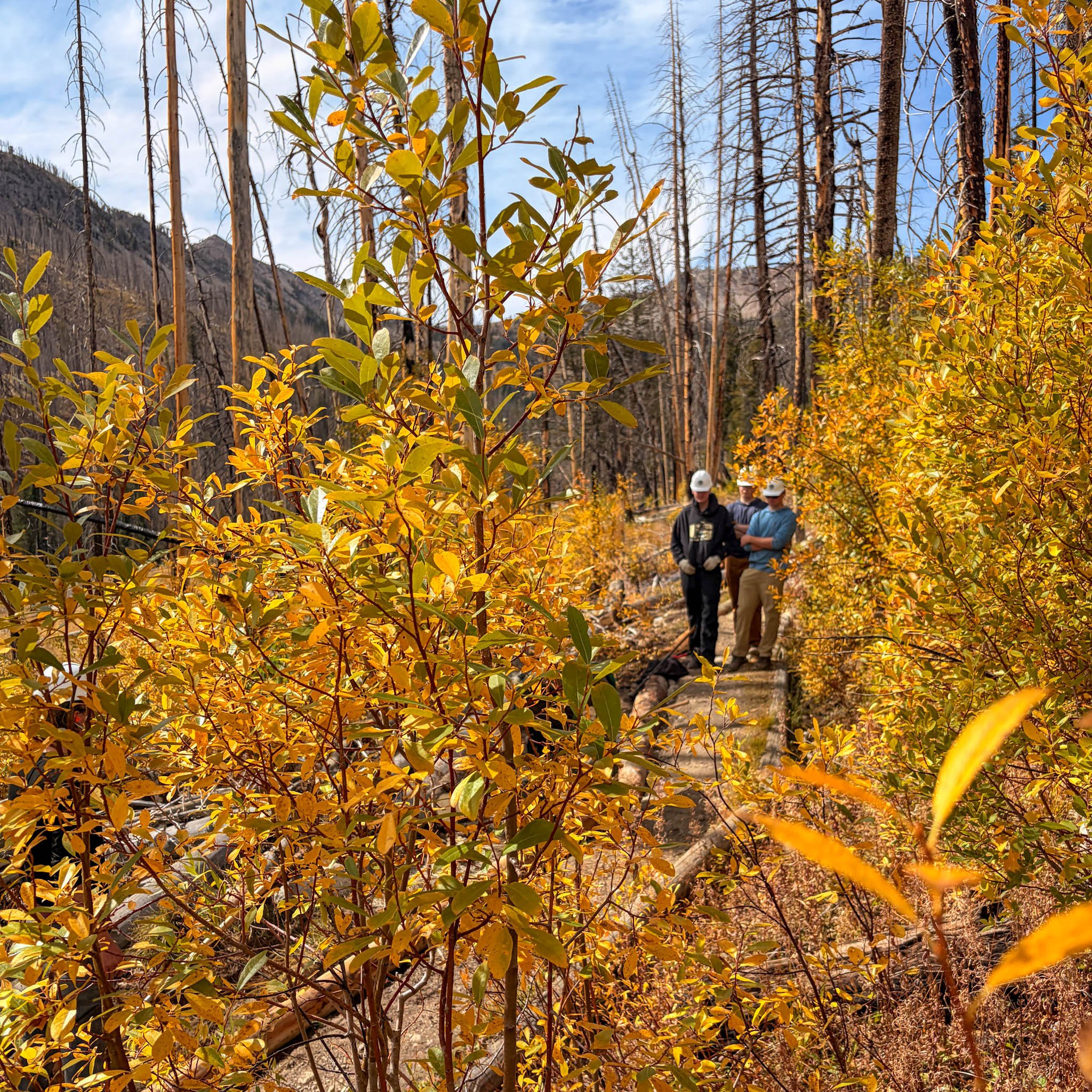
Community School 11th Grade Class works on Baker Lake
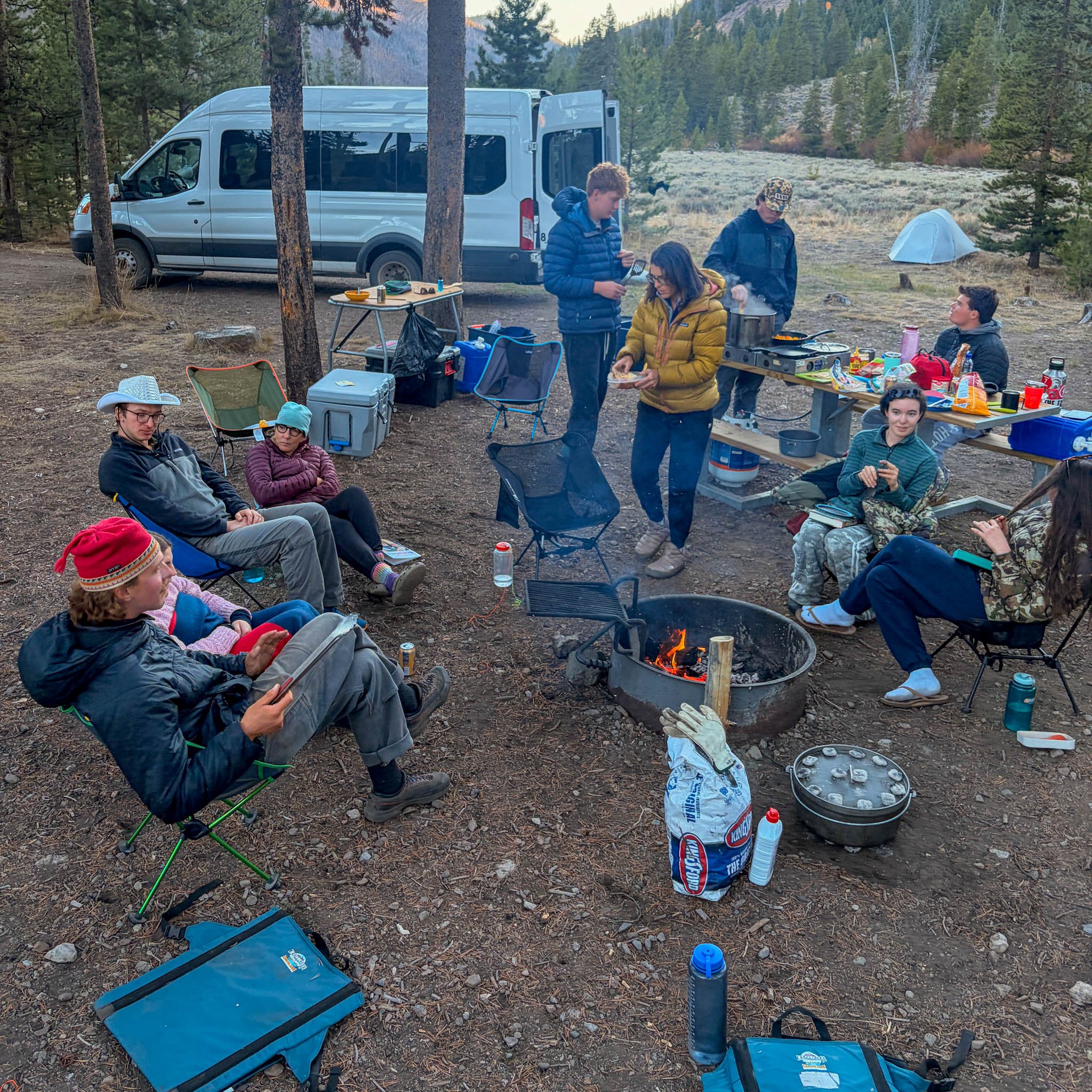
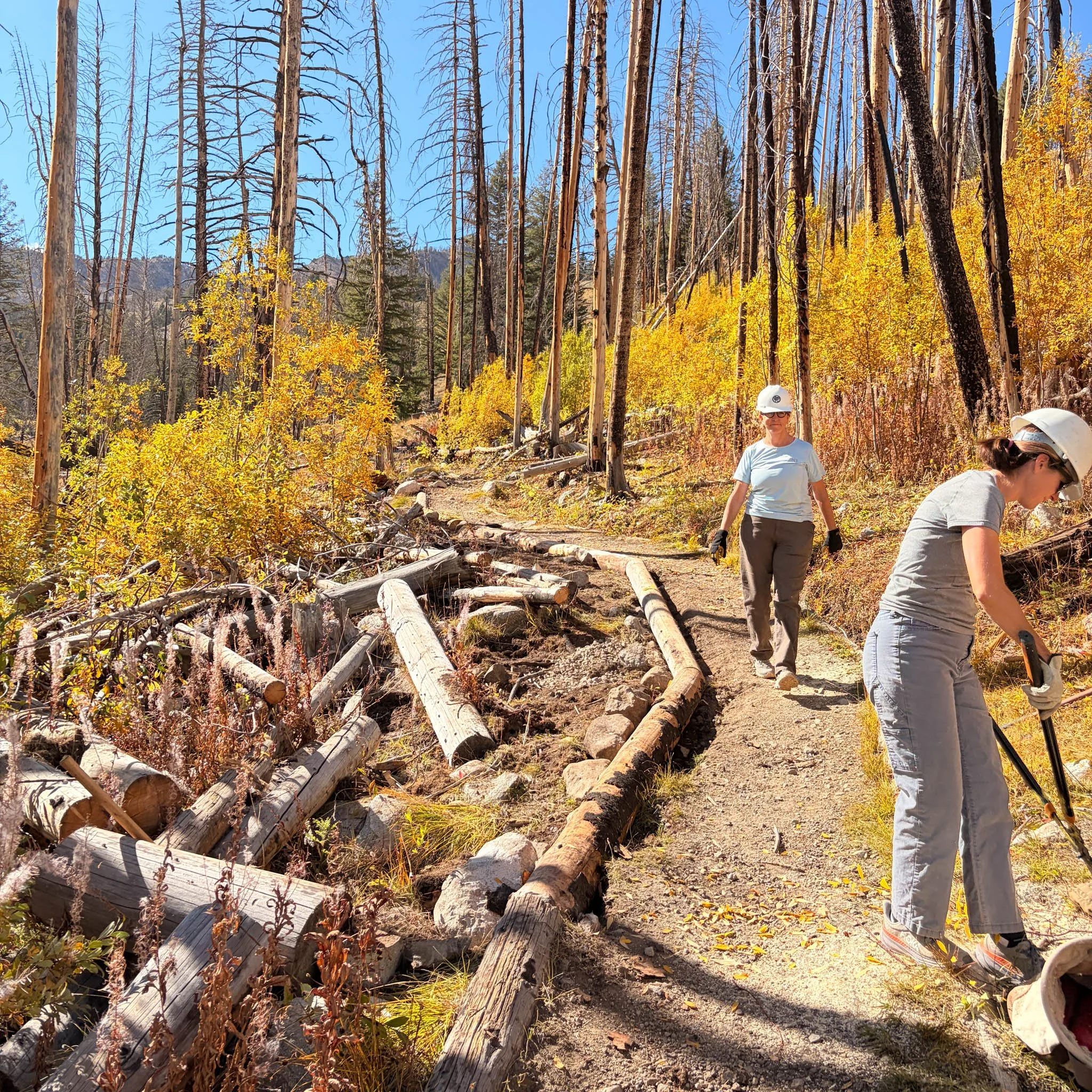
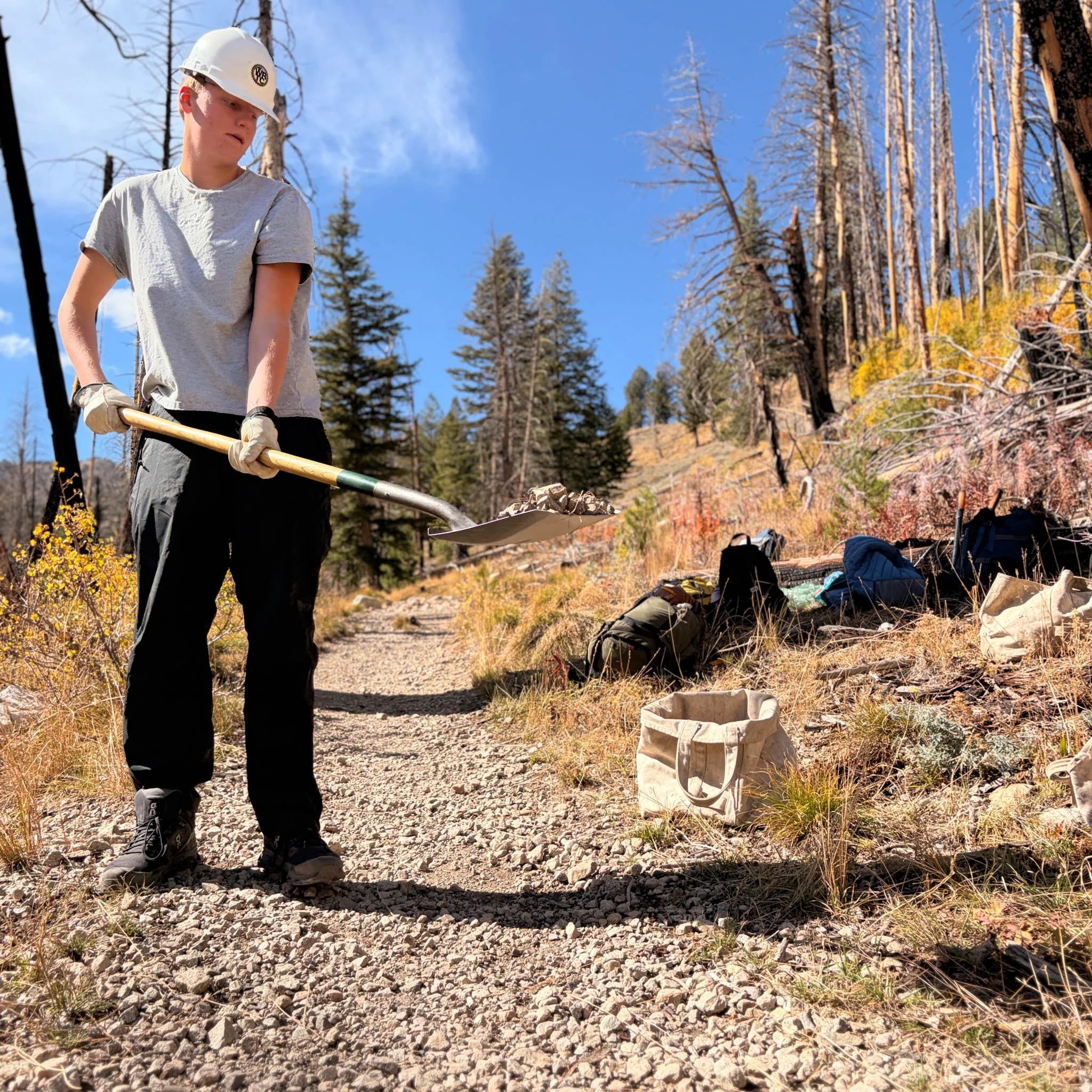
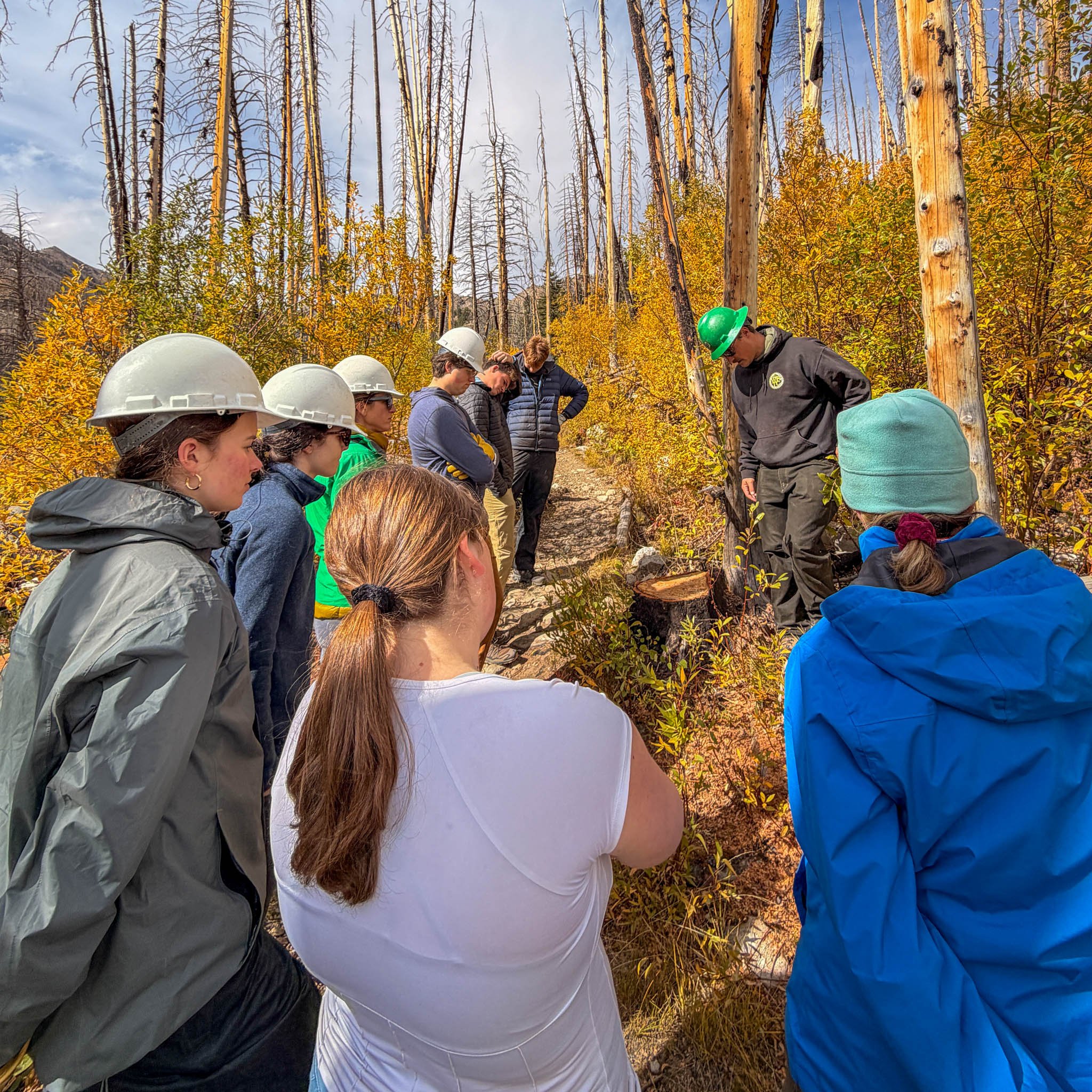
Over the last week, 6 students, 4 Faculty/support staff spent five days and 235 hrs working on the Baker Lake Trail. This trail provides relatively easy access to a lake, which meant they got a pretty good look at just how much this trail gets used.
Throughout the week, there was a steady stream of people moving through the project area: families heading up for an overnight with little kids in tow, people out for a shorter hike, and plenty of folks whose knees had apparently decided that an out-and-back was the appropriate amount of adventure for the day.
It is a busy trail! And, being fall, it was also a little difficult to explain why this particular section needed so much work. The trail was dry. The ditches were dry. The ground was dry. Everything looked pretty good.
Which is exactly why we needed to explain that this is not what this trail looks like in the spring.
Building for the Wet Season
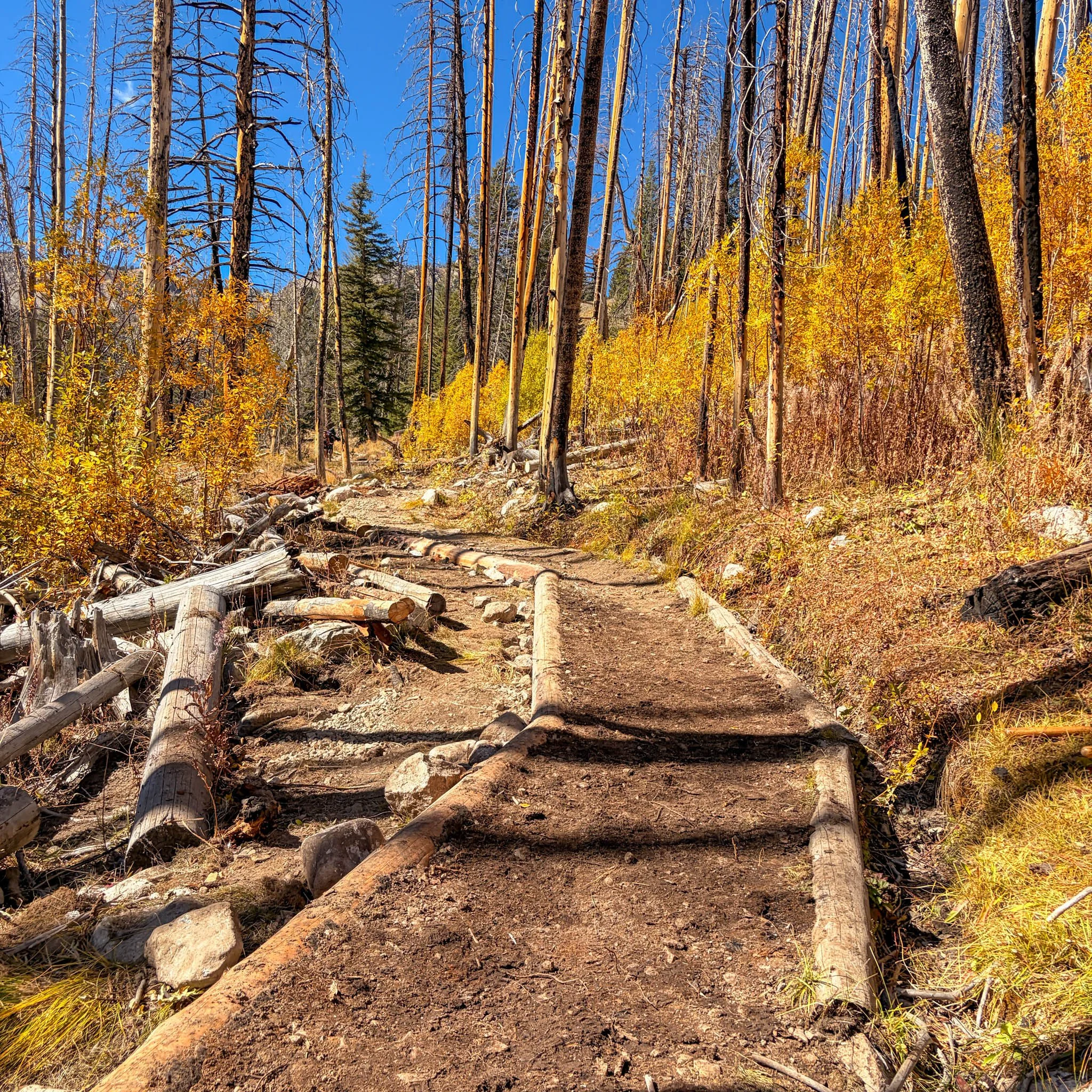
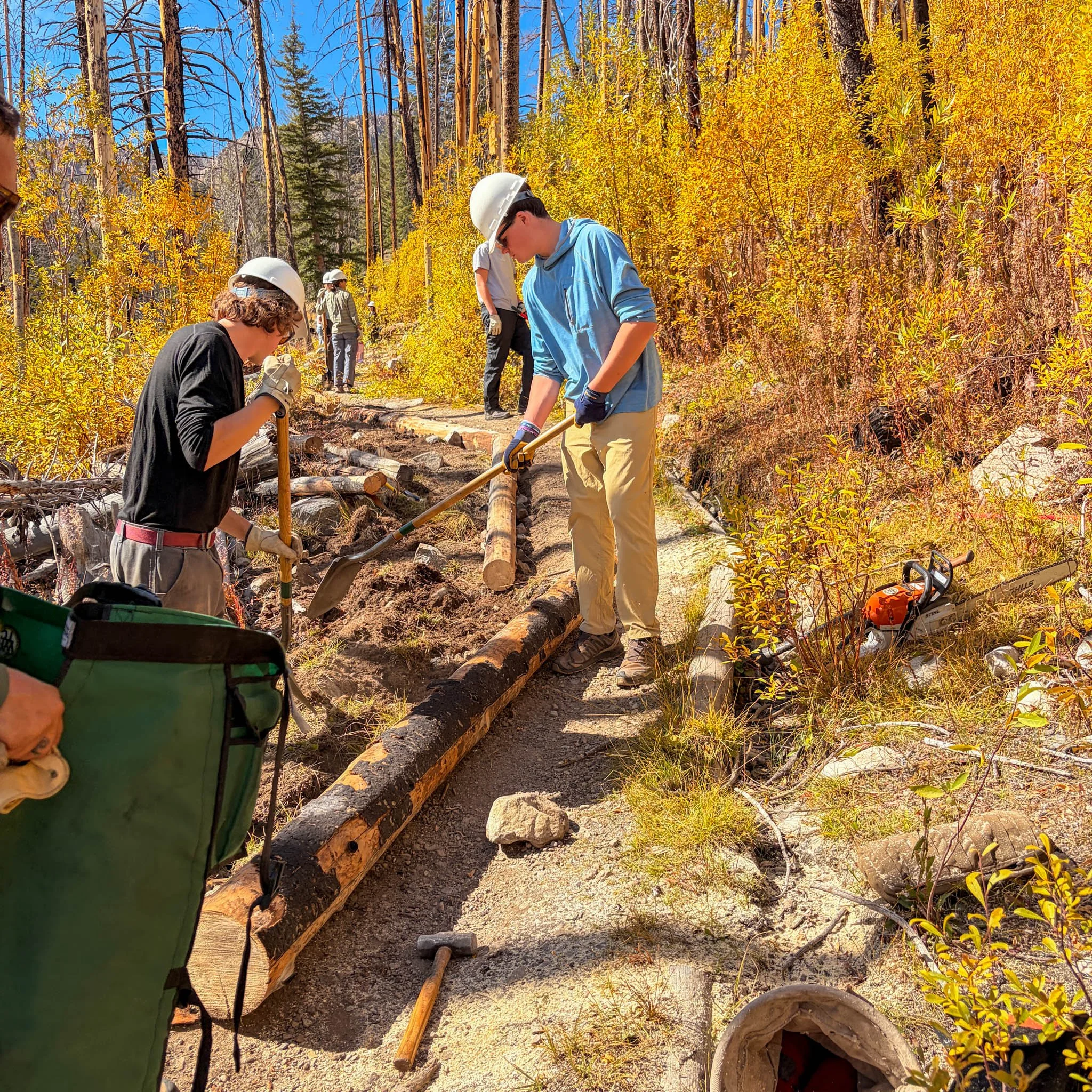
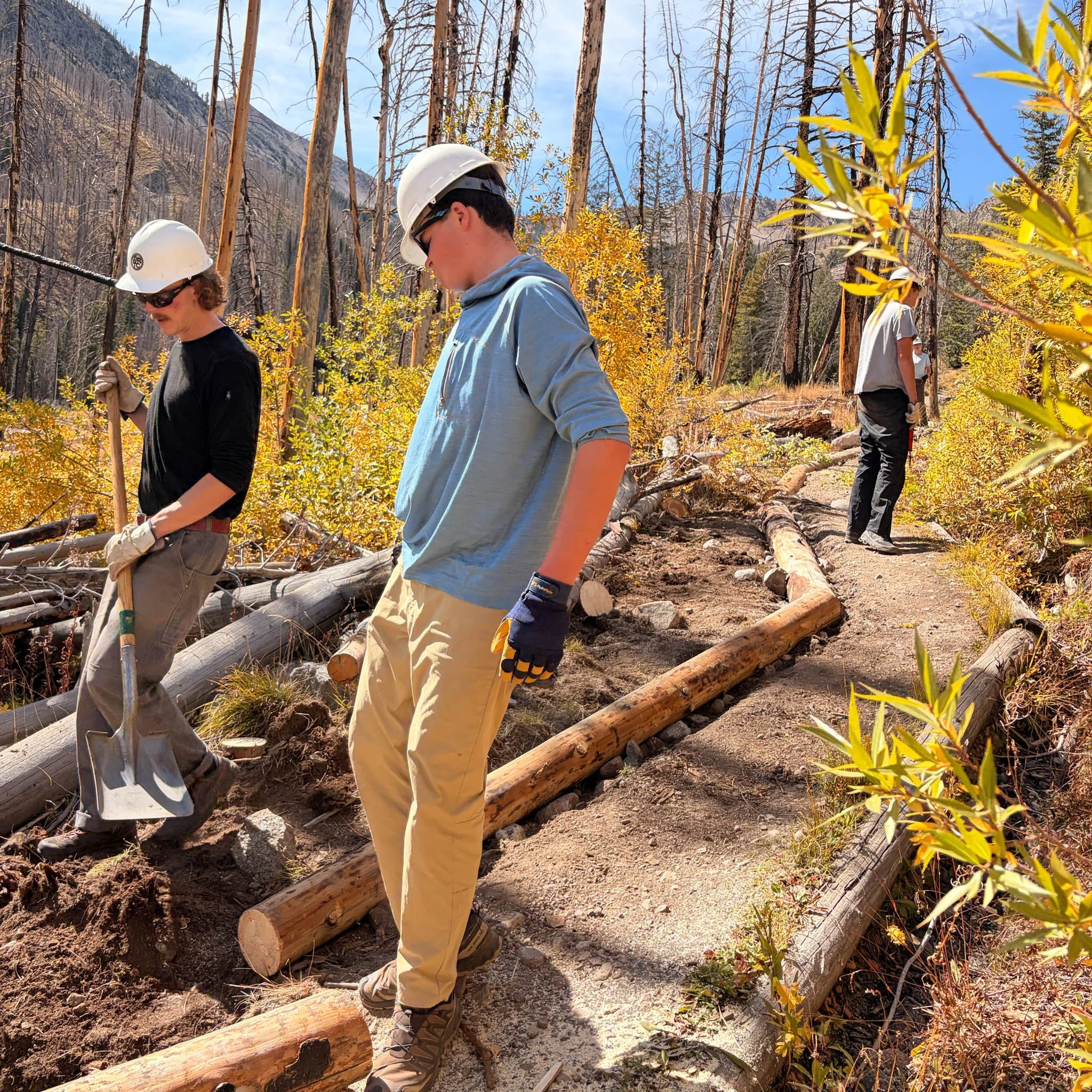
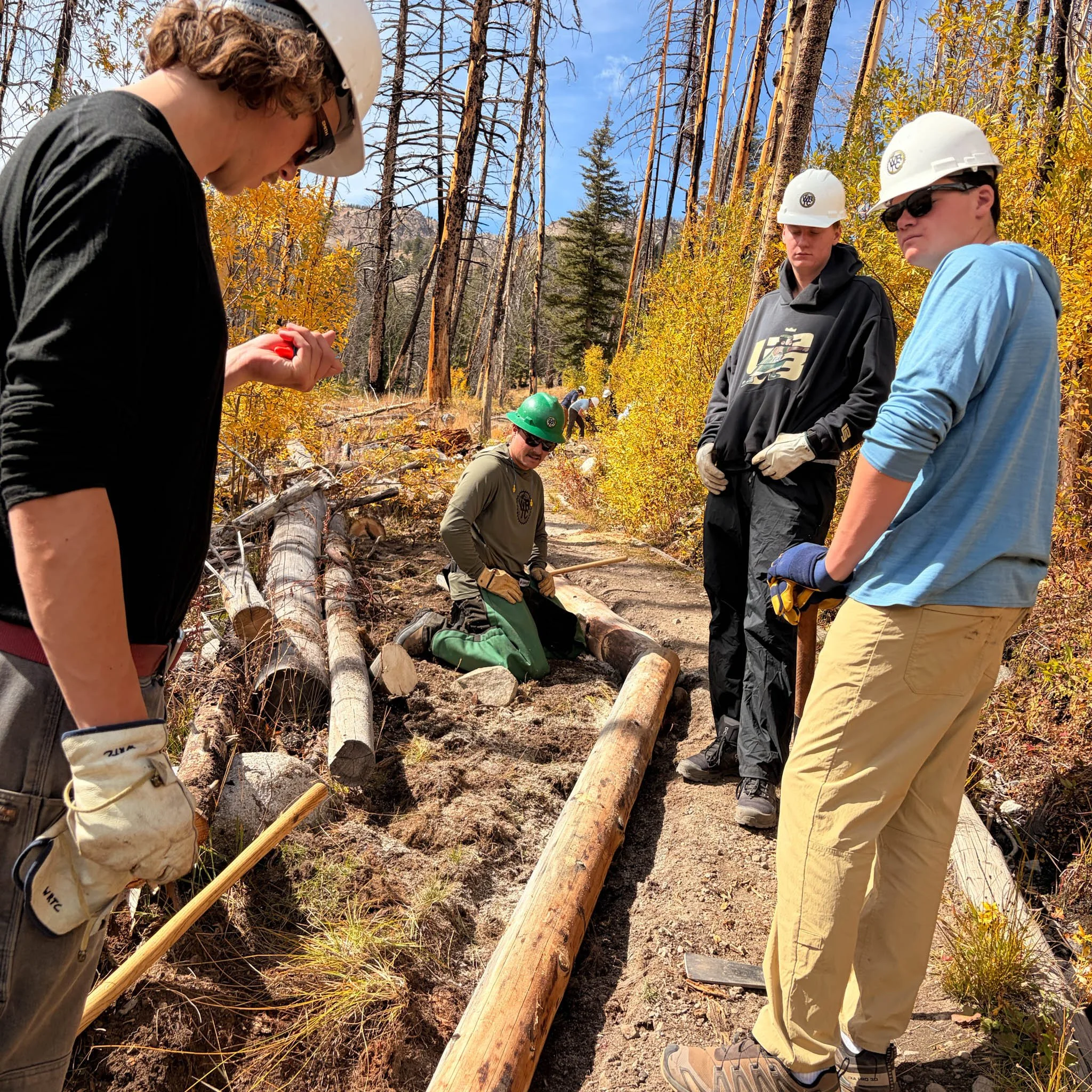
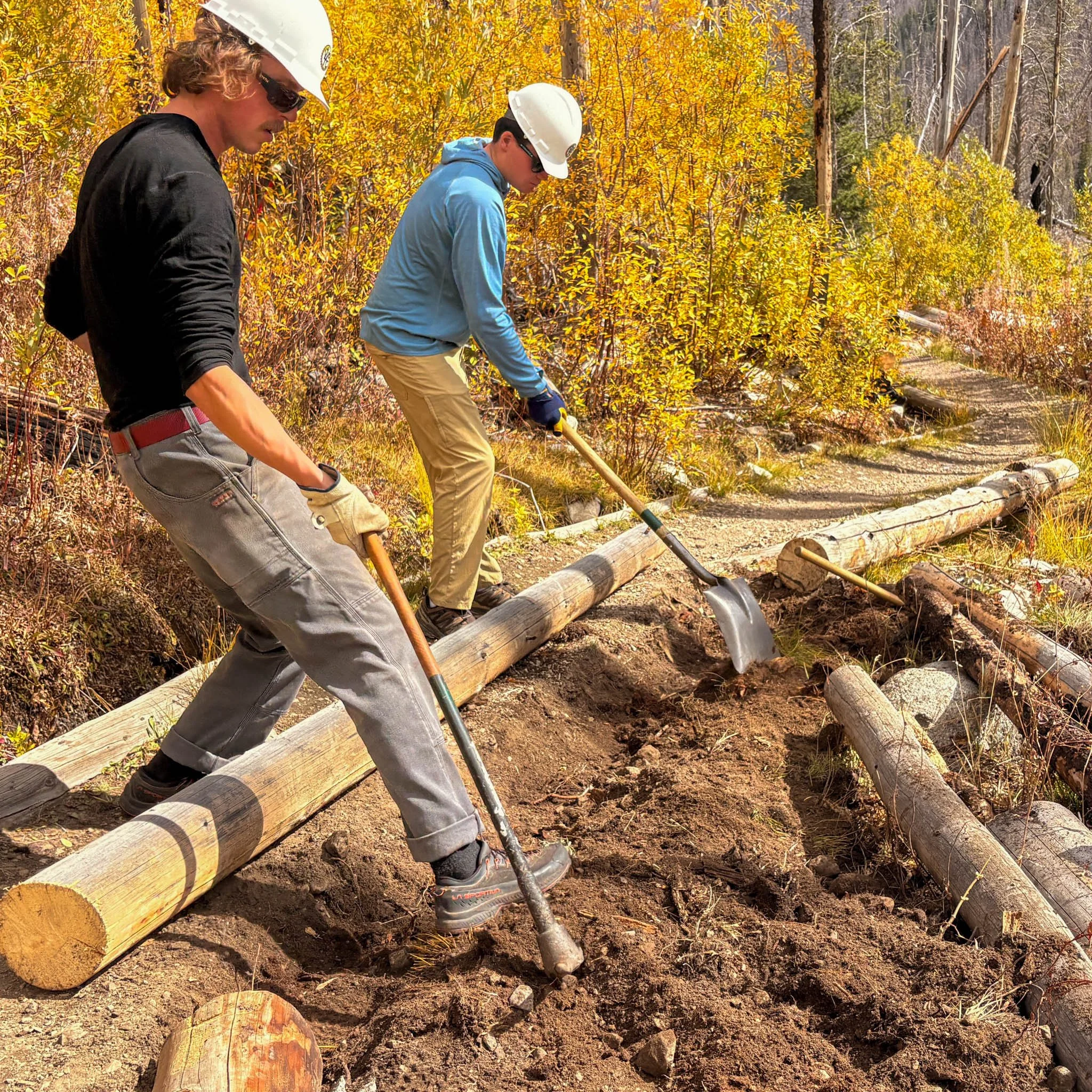
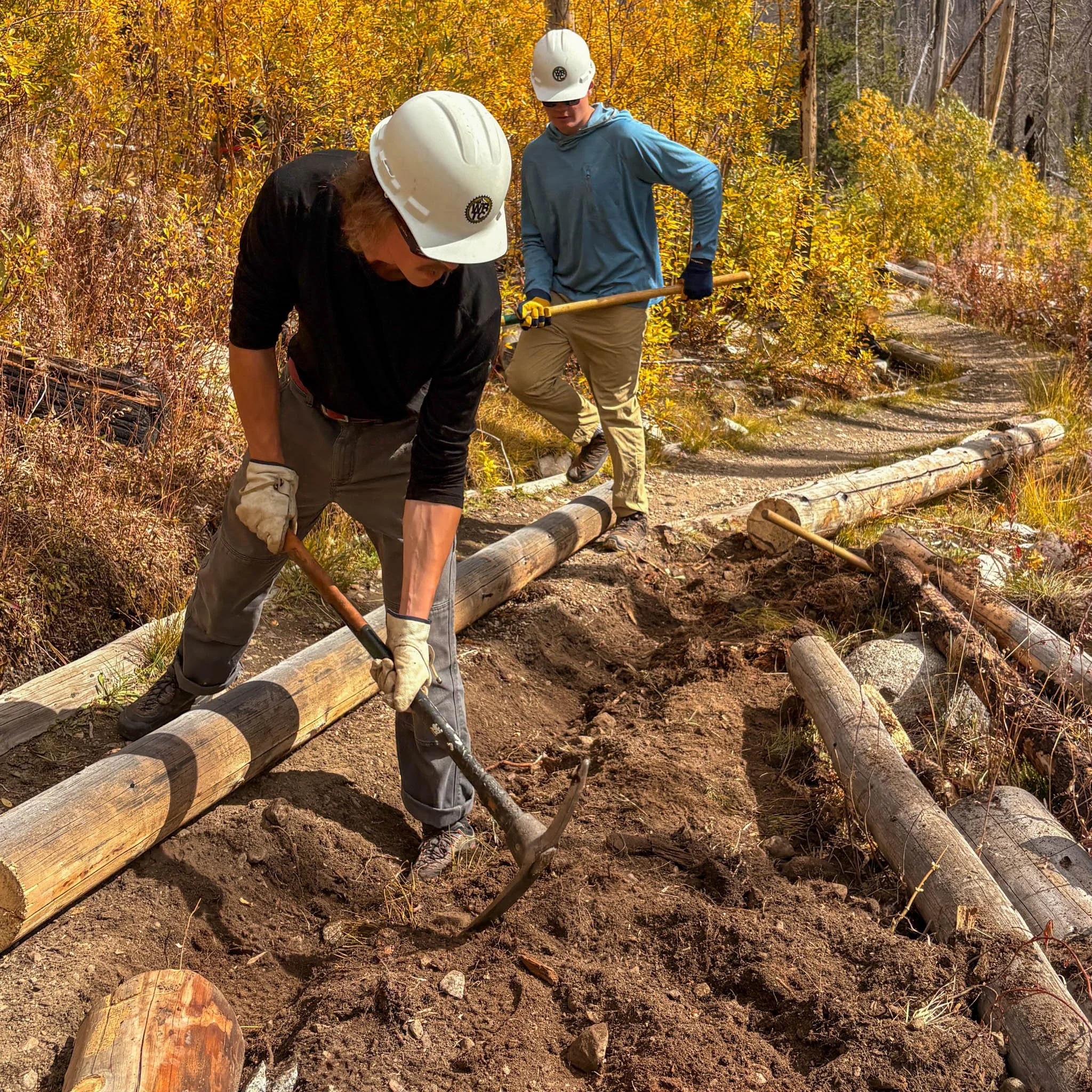
The students were working on an old turnpike which is a raised section of trail that keeps hikers above a section that gets persistently wet and muddy in the spring and early summer.
The idea is pretty simple: raise the trail up out of the low, wet ground so water can move through the area without turning the trail into a mud pit.
We started with a task that will be familiar to anyone who has worked on trails around here: fighting the annual willow invasion.
Once the trail was cleared back, the group moved on to helping pin some retaining walls. Then came the real project. Moving lots and lots of dirt.
A major part of rebuilding a turnpike is moving mineral soil onto the trail, and we spent portions of three of the group's five days doing exactly that. Finding a good source of soil took some work, but once we found one, the group got into a pretty good rhythm.
And this is where having 10 people really makes a difference.
Instead of one person carrying a heavy bag of dirt all the way from the borrow pit to the trail, we could form a human dirt-moving assembly line and pass the bags down the line. It's not glamorous, but it is much faster.
We lost count of exactly how many bags they moved. (There were a lot.)
But you can see the difference in the trail. We were able to raise the low sections, build up the turnpike, and address the places where water has historically caused problems.
The funny thing is that, standing there in the dry fall weather, you can't really see the problem they just spent three days fixing, so hopefully, some of these students will make it back out in the spring.
Then they'll get to see the trail when the ditches are full, the ground is wet, and the water is doing its best to find every low spot it can.
And they'll know that the reason this section is holding up better is because they spent a week in the fall moving a truly unreasonable amount of dirt.
A huge thank you to this group for putting in the work—and for putting up with cold nights, warm-to-hot afternoons, willow, retaining walls, and approximately one million bags of dirt.
We really appreciate you helping us make this well-used trail better for the people who will be out here all season long.